
At a Glance
- Clever garden screening provides more privacy and aesthetic structure – classic options include evergreen hedges, metal or wooden fences, and combinations thereof.
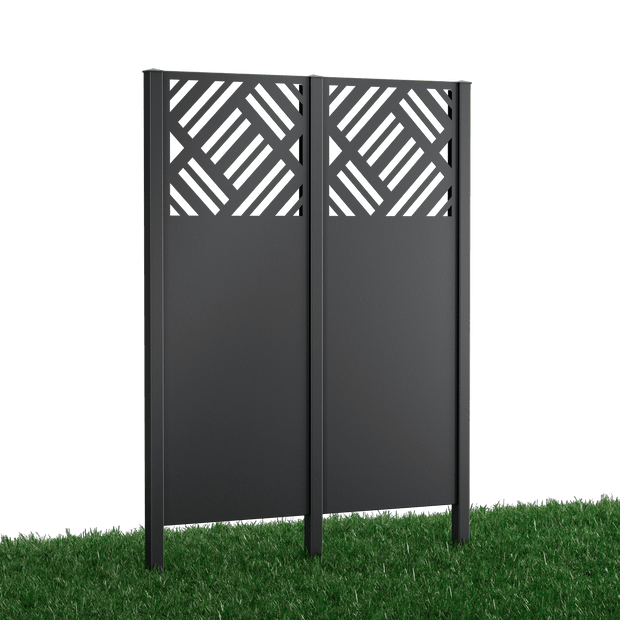
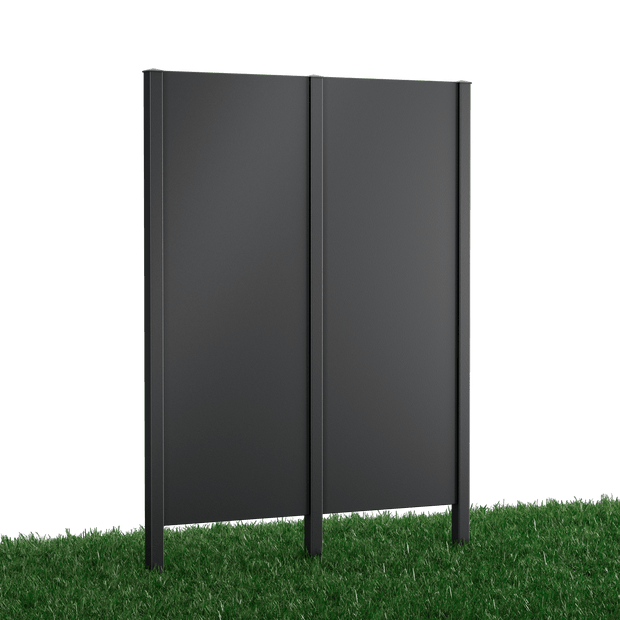
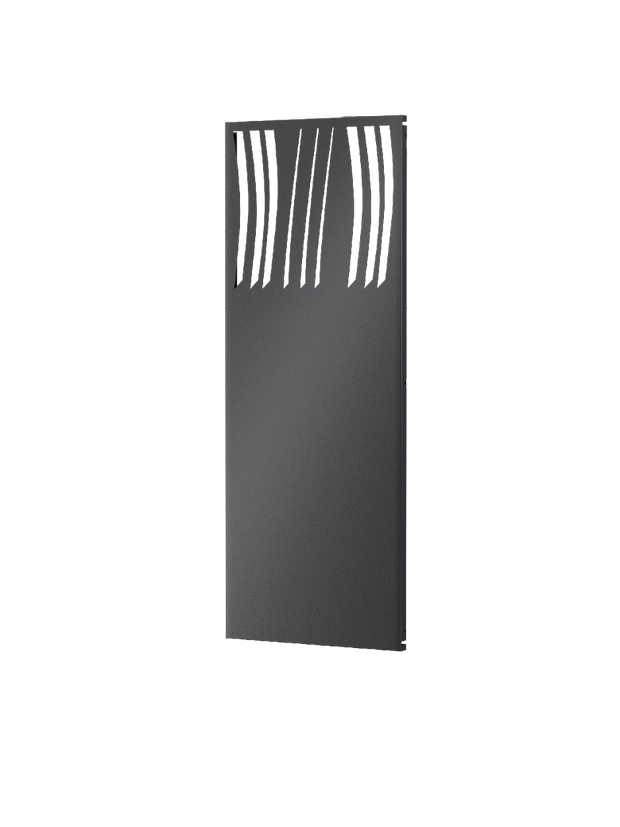
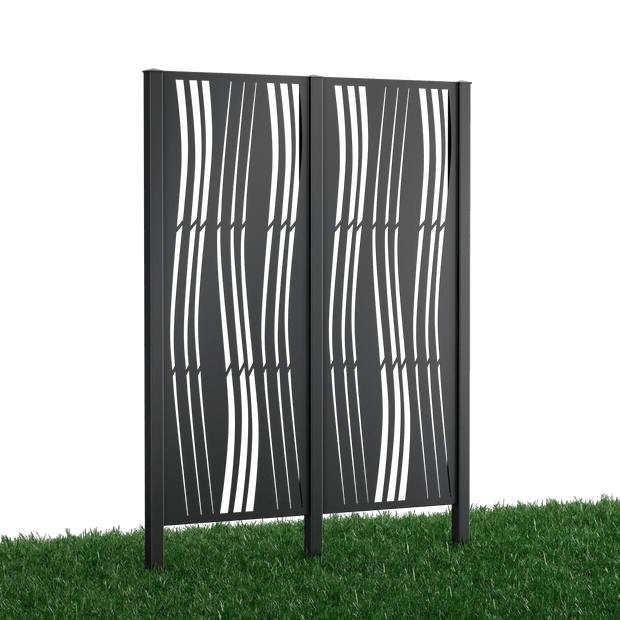
- High-quality metal fences, such as those offered by ELEO, are ideal for particularly low-maintenance, long-lasting solutions and can be customised to your heart's content.
- ELEO also provides support in the area of accessories and installation with matching posts and specifically developed installation guides to make implementing your garden screening easier.
Whether it's a large cottage garden or a small front garden, a wild allotment or a modern urban space: for many homeowners, their private green space is the ultimate retreat – a place to leave daily life behind and truly find peace. Garden screening can help create even more privacy or clearly separate specific areas from one another. In this post, we would like to present various options and offer tips for implementation. Let yourself be inspired!
Contents
Garden screening between neighbours
Garden screening for terraces or seating areas
Garden screening for flowerbeds and vegetable patches

Garden screening between neighbours
In the garden, you want to relax, enjoy nature, and be completely at ease. Suitable screening from neighbouring properties or an adjacent road provides the necessary protection from prying eyes and contributes to the aesthetic enhancement of the garden at the same time.
A beautiful way to create a border with neighbours is using evergreen hedges such as Thuja, Privet, or Yew. They provide year-round privacy and also have a positive effect on the microclimate.
Tips for design:
- Choose a sunny to semi-shaded spot for your natural garden border. While many evergreen plants can cope in the shade, they thrive better in the sun. The soil should be well-drained and nutrient-rich.
- The best time for planting evergreen hedges is either in spring (March to May) or autumn (September to November). Avoid very hot summer days, as the plants can dry out more easily.
- Be careful not to plant the hedge too close to the property boundary to avoid conflict with neighbours. A distance of at least 50 cm to 1 m from the boundary is advisable, depending on the plant and its growth habit. Check local regulations beforehand.
- The distance between plants depends on the type of hedge. For fast-growing plants like Thuja, you should maintain a distance of about 40–60 cm. Slower-growing plants like Yew need more space – approx. 80–100 cm.

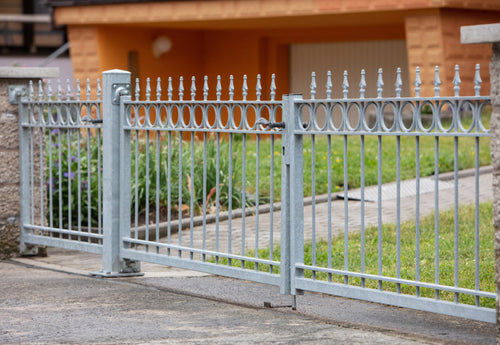
A lower-maintenance solution is garden screening made of metal, wood, or plastic, designed to be taller than a classic garden fence. Wood is particularly suitable for naturally designed gardens, while metal and plastic look great in modern and minimalist spaces.
Tips for design:
- Aluminium and steel are particularly resistant to weather influences and require very little maintenance. Galvanised or powder-coated metals are especially durable and remain stable even in rain or snow – usually for many years.
- Plastic fences are often slightly cheaper to buy. Ensure high material quality and UV resistance so that the fence does not lose its colour or structure over time.
- If you opt for a wooden screen, use timbers like larch, Douglas fir, or cedar, which are naturally more weather-resistant. To protect the wood from the elements after installation, regular impregnation or painting is advisable. This preserves the colour and protects the wood from moisture and pests.
- Generally: For tall garden screening, it is important to anchor the fence with sufficient stability. Ensure it is securely fixed in the ground so there is no risk of it toppling in strong winds.
A combination of plants and tall fence elements can be visually appealing and optimise screening from neighbours – for example, in winter, when some hedges are naturally a bit thinner. A suitable option is a hedge with a closed wooden or metal fence positioned behind it.
Garden screening for terraces or seating areas
A clear boundary between a seating area and the rest of the garden ensures both a pleasant, private atmosphere when gathering with family and friends and aesthetic structure.
A glass garden screen can provide a particularly modern look. A classic option is a fixed glass wall built into sturdy aluminium or stainless steel frames. This construction looks timeless and protects against wind without blocking the light. Another possibility is the installation of freestanding glass panels mounted at regular intervals.
Tips for design:
- To achieve a higher degree of privacy, you can use frosted glass, glass with a printed design, or glass with a special coating that prevents visibility from the outside while allowing light to flow through.
- A glass garden screen requires regular cleaning to maintain its transparency and aesthetics. Be careful not to use aggressive cleaning agents and check the glass regularly for scratches or cracks.
If you prefer a more natural look, design screening with plants around the terrace or seating area: Bamboo grows quickly and creates a very dense, tall screen. It creates a modern, tropical atmosphere. Ornamental grasses are a more elegant alternative. They can also be used in planters or in combination with other plants. For more flexible borders or smaller terraces, plants in pots are ideal as they can be moved more easily.

Tips for design:
- Ensure you choose suitable plants for your location, whether in sun, shade, or semi-shade. Also consider how windy the spot is: otherwise, the plants may bend or snap. In summer, many plants require regular watering.
- The Fargesia variety is suitable for bamboo: it is non-invasive and grows quickly in dense, tall clumps. However, it is recommended to use a root barrier to prevent the bamboo from spreading uncontrollably through the garden.
- Chinese Silver Grass (Miscanthus sinensis) is a recommended ornamental grass: it grows quickly and forms tall, fine stems for a beautiful, moving structure.
- In a planter, you could place oleander, for example. With its magnificent blossom colours, it provides an attractive, stylish divider. However, oleander is frost-sensitive and should be moved indoors or to a frost-free winter quarters during the cold months.
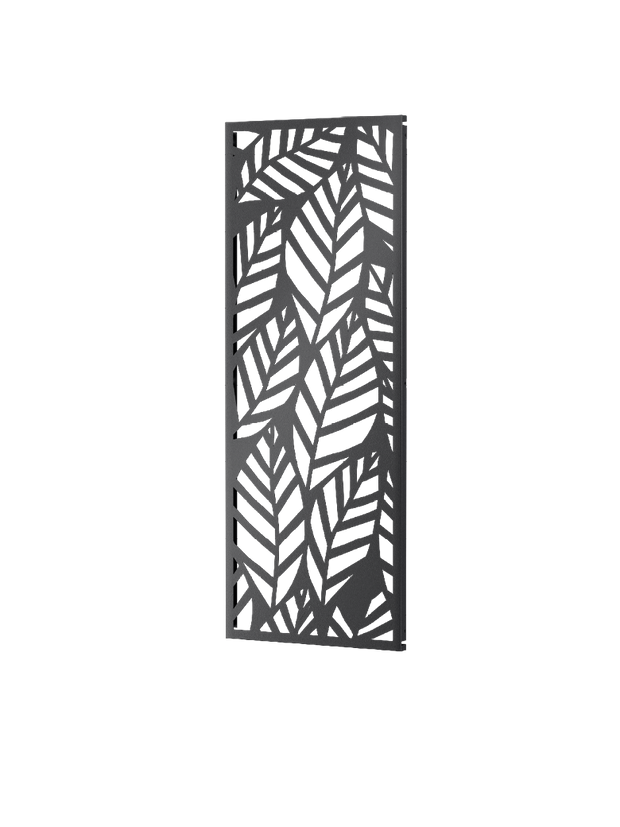
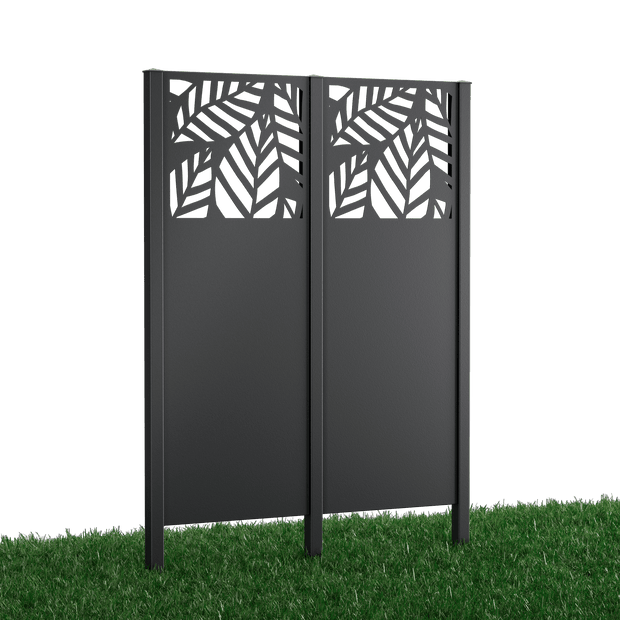
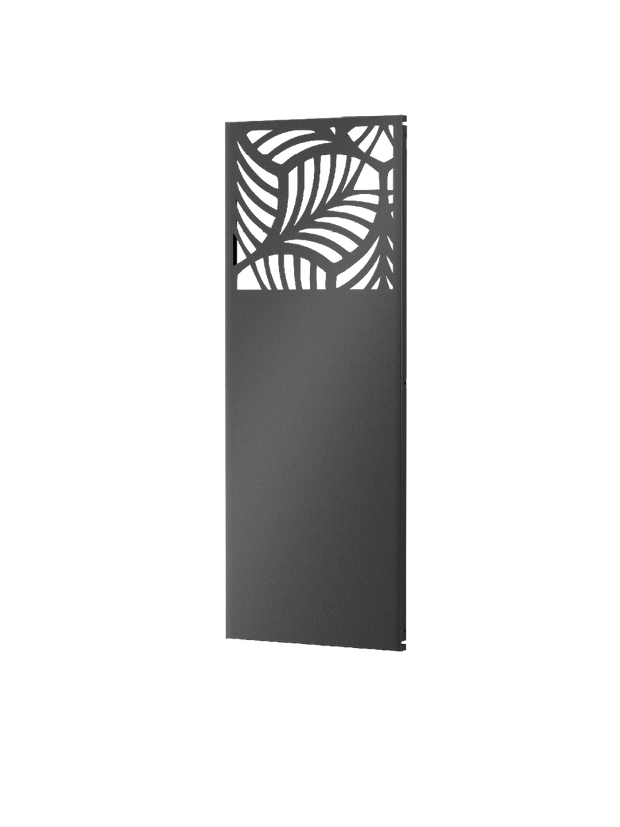
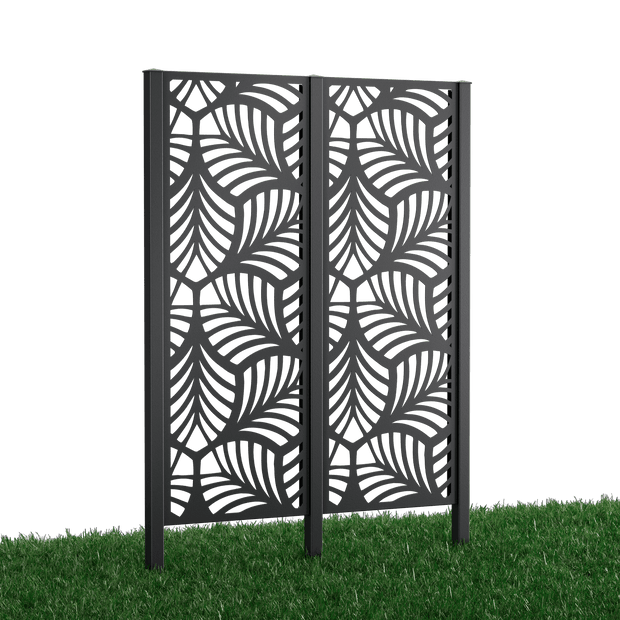
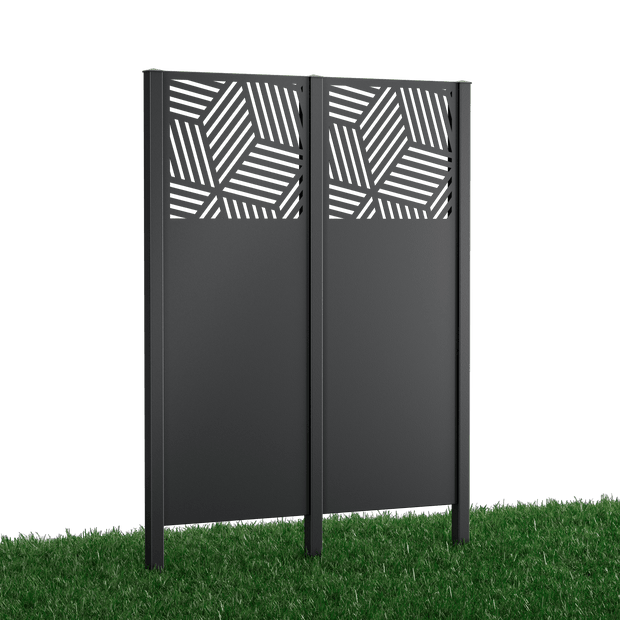
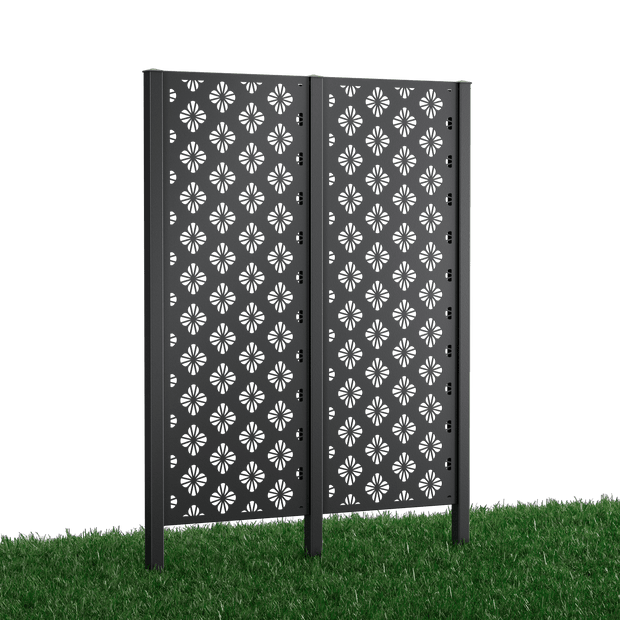
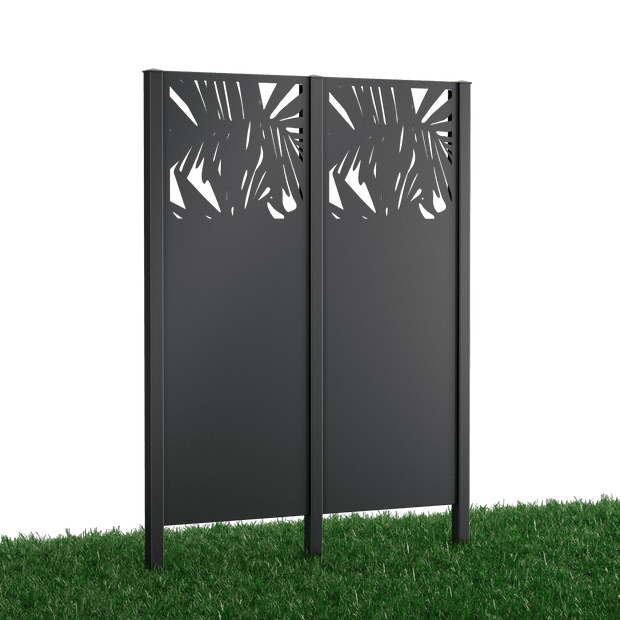
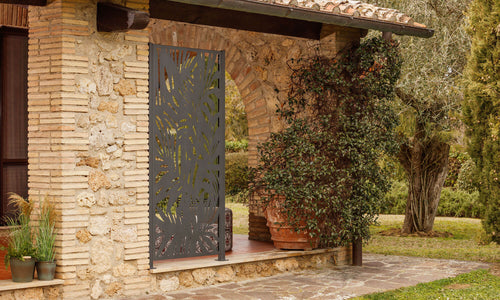
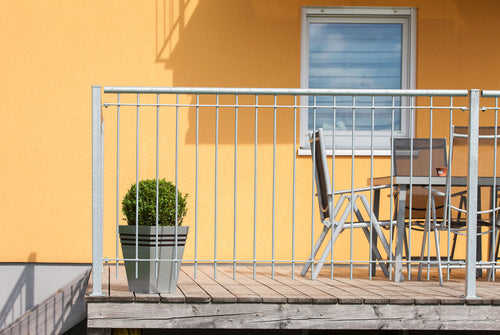
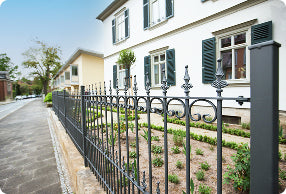
Garden screening made of metal requires less maintenance and offers effective privacy and noise protection in every season. Simple, modern metal fences made of steel or aluminium can create a clear and elegant boundary between the terrace and the garden. Alternatively, individual fence panels can be set up as garden screens. Metal fences and privacy panels are available in numerous colours and designs – as solid, closed walls or with decorative cut-outs. The latter provide some protection from prying eyes while allowing light to pass through, making them appear more open and inviting.
Tips for design:
- Ensure that the metal garden screen has a suitable coating to protect against corrosion. Powder coating or galvanisation ensures that the screen remains in good condition for many years.
- The metal should harmonise well with the rest of the garden design: colour and surface contribute significantly to the overall impression. For example, screening made of Corten steel harmonises particularly well with natural materials like wood or stone and fits perfectly with nature-oriented gardens and modern architecture.
- The price for metal products can vary greatly depending on material and design. Consider how much you are willing to spend and which properties are most important to you (e.g., weather resistance, design, maintenance effort). In many cases, it is worth investing in higher-quality materials, as they require less maintenance in the long run and are more durable.