

Key points at a glance
- A hedgehog friendly fence needs small openings so that hedgehogs can move freely between gardens while searching for food.
- A sheltered pile of leaves and twigs provides a natural retreat and potential winter nesting site.
-
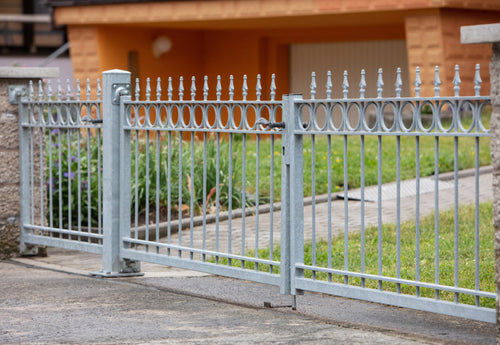
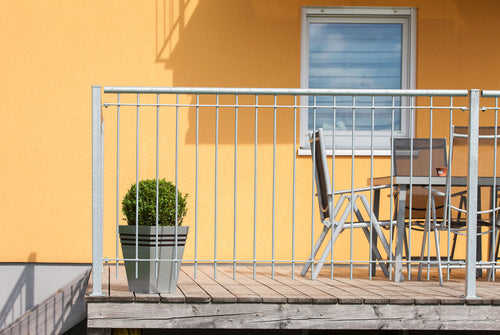
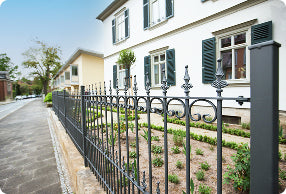
A well-designed metal fence from ELEO makes it easy to integrate a permanent hedgehog hole in fence panels.
A hedgehog friendly garden makes an important contribution to protecting native wildlife. Hedgehogs in particular depend on their habitats remaining connected. During their nightly search for beetles, worms and larvae, hedgehogs often travel several kilometres and cross numerous properties. Closed garden boundaries, meticulously tidied areas and carelessly used garden tools, however, can become insurmountable obstacles or deadly traps. With a few targeted and carefully considered measures, a garden can be transformed into a safe refuge without compromising on appearance or order.
Why hedgehogs need a hedgehog friendly garden in autumn

Autumn is a critical stage of the year for hedgehogs. During these months, they need to build up sufficient fat reserves for the hibernation period ahead. At the same time, their natural food supply becomes scarcer, the nights become colder and many gardens are prepared for winter. What may look neat and tidy to us can deprive hedgehogs of essential hiding places. Piles of leaves and twigs, undisturbed corners beneath hedges and dense perennial plants provide vital shelter for these animals.
A suitable garden for hedgehogs therefore fulfils three essential functions: it provides unrestricted routes for movement, offers safe shelter and minimises human-made risks. The permeability of property boundaries is particularly important. When roaming, hedgehogs do not follow property boundaries but instead orient themselves around features such as hedges, walls and sources of food. A completely sealed fence forces them to make long, energy-consuming detours or confines them to an area that is too small, where food supplies can quickly become depleted.
Supporting hedgehogs is not limited to autumn, however. A natural garden provides benefits throughout the year. Flowering plants, a layer of leaf mulch beneath shrubs and avoiding pesticides encourage a rich diversity of insects, helping to secure the hedgehogs' food supply. A hedgehog friendly garden is therefore a sustainable concept that promotes biodiversity and helps maintain ecological balance.
Hedgehog friendly fence – how hedgehogs can get through

A garden fence protects and defines your property, but it can still be designed with wildlife in mind. The solution is not to do without a sturdy boundary, but to deliberately plan small openings. A so-called hedgehog gate allows the animals to move between neighbouring gardens without compromising the protective function of the fence for people or pets.
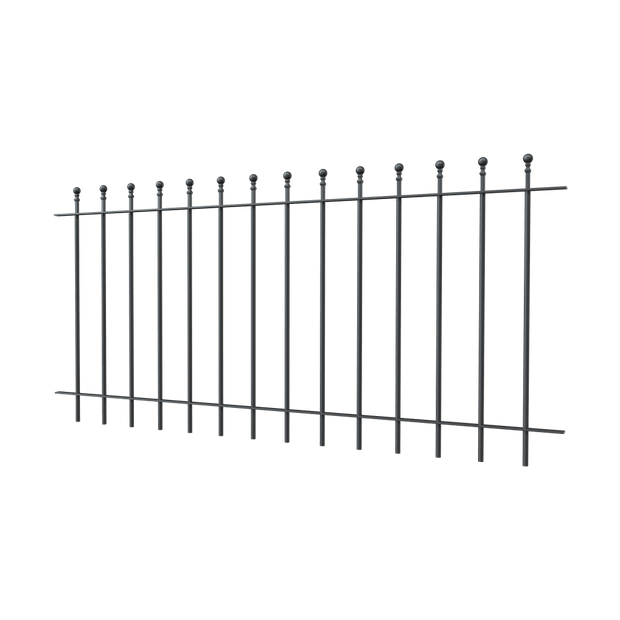
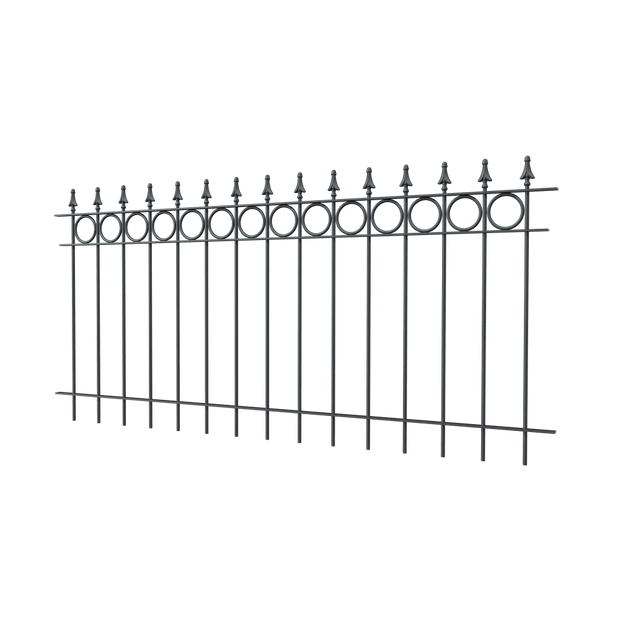
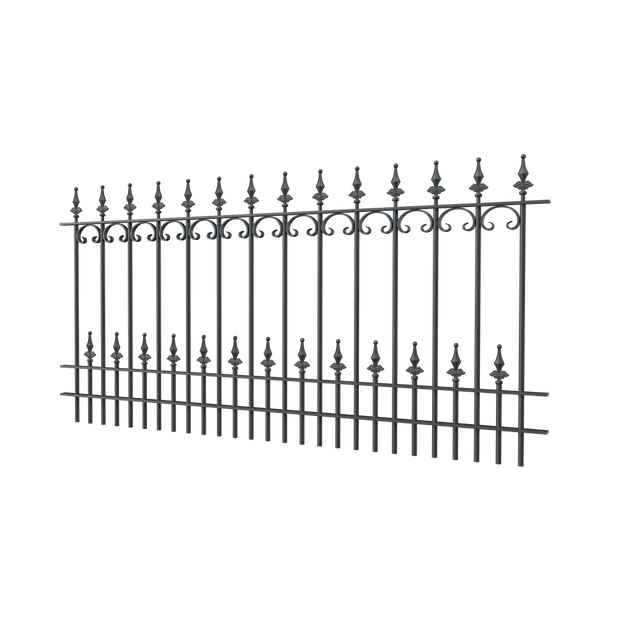
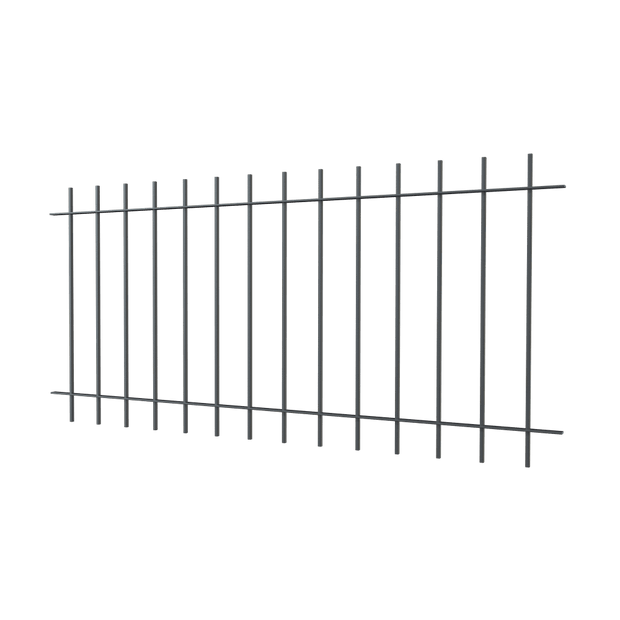
Our hedgehog-friendly fences
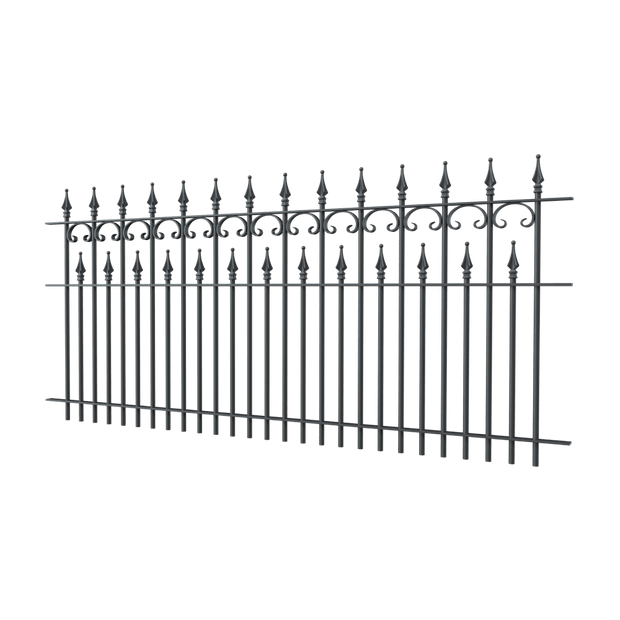
Why closed fences can become a problem
Modern properties are often completely enclosed, whether by wall bases, closely spaced mesh or opaque fence panels that reach all the way to the ground. For hedgehogs, such barriers represent a serious problem in terms of habitat fragmentation. Unlike foxes or martens, they cannot overcome high obstacles. Searching for an opening along kilometres of fencing costs valuable time and energy, which is particularly important for survival before winter. In the worst case, the animals are forced onto roads, where they may become victims of traffic.
Creating a hedgehog gate in a fence
A hedgehog gate is a small opening at ground level in a property boundary. A size of approximately 13 by 13 centimetres has become an established standard. This opening is large enough for an adult hedgehog but generally too small for most cats or small dogs. It is essential that the opening has no sharp edges and is kept permanently clear of vegetation, leaves or objects placed in front of it.
With a metal fence, a hedgehog gate can be created in a particularly elegant and durable way. One proven method is to deliberately shorten a single vertical fence bar at a strategically suitable yet unobtrusive location. This creates a clean and safe passage while leaving the stability and appearance of the fence system unaffected. Coordinating with neighbours can multiply the effectiveness of such measures by creating an entire network of connected hedgehog friendly gardens.
Ground clearance instead of individual openings
An alternative to an individual hedgehog gate is to provide a continuous, even gap between the bottom edge of the fence and the ground. A ground clearance of approximately 10 to 13 centimetres allows hedgehogs to pass beneath the fence at any point. This solution is particularly suitable for properties with level ground where the fence is not mounted on a plinth or wall. It is important, however, to consider whether this option suits the required level of protection, as it may also make it easier for small pets to escape. A deliberately positioned hedgehog gate provides greater control in this respect.
Advantages of a metal hedgehog friendly fence
A metal fence is characterised by its durability, stability and resistance to the weather. These properties also make it an ideal basis for a hedgehog friendly fence. Unlike wooden fences, where openings may splinter or deteriorate due to moisture, a passage through a metal fence remains dimensionally stable and safe over the long term. The clear, modular structure of the fence panels makes it possible to plan a passage precisely and integrate it professionally.
ELEO metal fences can be individually adapted to the conditions of the property. Anyone aiming to create a hedgehog friendly garden can incorporate the necessary opening into their planning from the outset. In this way, the property boundary is transformed from an obstacle into a carefully considered element of a lively and natural garden.
Creating a leaf pile for hedgehogs

A pile of leaves and branches is far more than an untidy corner. When created correctly, it becomes a valuable microhabitat that provides hedgehogs with protection from the weather and predators. In the cavities between dry leaves and small twigs, the animals can find a quiet place to sleep or hibernate.
The right location for a leaf pile
The ideal location for a leaf pile is quiet, dry and sheltered from the wind. Garden corners beneath dense shrubs or next to a hedge are particularly suitable. The area should be away from frequently used paths, patios or play areas, as constant disturbance could drive hedgehogs away. A slightly raised position prevents moisture from accumulating at ground level, which could cause the leaves to rot and reduce their insulating effect. A base of coarse branches can also provide good ventilation from below.
Suitable materials for a hedgehog shelter
The main ingredient for a good hedgehog shelter is dry autumn leaves. These should be piled loosely and covered with brushwood, thin twigs and a little bark mulch. The covering weighs the leaves down so that they are not blown away by the wind while also creating a protective and stable structure. The pile should have a base area of approximately one square metre and be at least 60 to 80 centimetres high to provide a protected, dry environment inside. Materials such as plastic sheeting, grass clippings or treated wood should be avoided. They prevent air circulation, may develop mould or can cause injuries.
Do not disturb the leaf pile in winter
Even if there are no visible signs of activity from the outside, a hedgehog may be hibernating inside. Each time a hedgehog wakes from hibernation, it uses up considerable energy reserves that it urgently needs in spring. Moving, dismantling or working through the pile with a garden fork can have fatal consequences for a sleeping hedgehog. The pile should only be carefully dismantled in late spring, once the nights remain consistently free from frost.
Creating winter shelter with a hedgehog house
In addition to an open leaf pile, a dedicated hedgehog house can provide an additional and particularly safe winter shelter. It offers better protection from heavy rain and disturbance by other animals. Such a shelter can be made from a simple wooden box (approx. 30x40x30 cm) with a side entrance featuring an L-shaped tunnel to deter predators such as cats or martens. The hedgehog house is filled with dry straw and leaves. It is then positioned in a quiet location and covered with a thick layer of branches and leaves to provide insulation and camouflage.
Reducing other hazards in the garden

A permeable fence and a safe shelter provide the foundation. It is equally important, however, to identify and eliminate everyday hazards in the garden. Many risks can be avoided with very little effort.
Robotic lawnmowers and garden tools
Robotic lawnmowers pose a significant danger because hedgehogs do not run away when threatened but curl themselves into a ball instead. These devices should therefore only be operated during the day and under supervision, as hedgehogs are active at dusk and during the night. Before mowing, whether using a robotic or conventional lawnmower, hard-to-see areas such as long grass or spaces beneath bushes should be checked. The same applies when using brush cutters or leaf vacuums.
Light wells and bodies of water
Open basement wells and light wells or garden ponds with steep sides can easily become inescapable traps for hedgehogs. Wells should be secured with strong, fine-mesh grilles. An escape aid is essential for ponds, swimming pools or water butts. A rough board positioned diagonally into the water or a gently sloping bank allows the animals to climb out under their own power.
Pesticides and poisons in the garden
Chemical pesticides, metaldehyde-based slug pellets or rat poison are extremely dangerous to hedgehogs. They can poison the animals either directly or indirectly through their prey. A natural garden that encourages beneficial wildlife such as birds and ground beetles helps control many pests naturally. Alternatives such as collecting slugs by hand or using biological products protect the entire range of wildlife in the garden.
Frequently asked questions
How large should a hedgehog gate be?
A hedgehog gate should provide an opening of approximately 13 by 13 centimetres. This size allows hedgehogs to pass through comfortably while keeping larger animals out. The passage must be at ground level, free from sharp edges and permanently accessible. With a metal fence, this can easily be achieved by deliberately shortening one of the fence bars.
When do hedgehogs hibernate?
In Germany, hedgehogs generally hibernate from November until March or April. The exact timing depends on the weather and the animal's nutritional condition. During milder periods in winter, they may briefly wake up. For this reason, winter shelters and leaf piles should remain undisturbed well into spring.
How large should a leaf pile for hedgehogs be?
A leaf pile intended to serve as a potential winter shelter should have a base area of approximately one square metre and a height of at least 60 to 80 centimetres. Dry leaves are important as insulating material, together with a loose structure and a protective covering of brushwood to provide stability and protection from the wind.
Can I feed hedgehogs in autumn?
Supplementary feeding is only advisable in exceptional circumstances, for example for obviously underweight, ill or injured animals that are still active in late autumn. Healthy hedgehogs can generally find their own food. If feeding is necessary, high-quality wet cat food with a high meat content (without gravy or jelly) is suitable. A shallow dish of fresh water should always be provided as well. Milk is unsuitable for hedgehogs and can cause serious digestive problems.
A hedgehog friendly garden is the result of many small, conscious decisions: a hedgehog hole in fence boundaries, a wild corner with a pile of leaves and the removal of potential hazards. The result is a habitat that not only helps hedgehogs but also enriches the entire garden and makes it more vibrant.


