

At a Glance
- Garden privacy screening defines both personal space and atmosphere; the choice between a solid element like a privacy wall and natural hedging depends on individual requirements for aesthetics, maintenance effort, and ecological value.
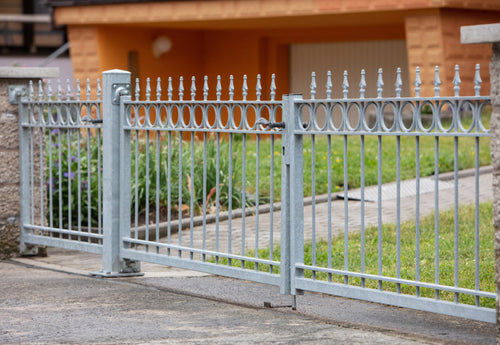
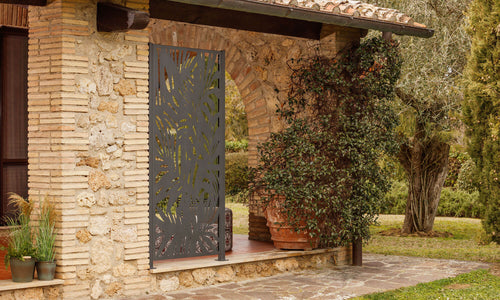
- Metal privacy elements like the Piave model impress with their longevity, stability, and minimal maintenance, while various designs enable a modern look and easy integration into different garden styles.
- ELEO supports the custom implementation of durable screening solutions with clever complete sets and individual coatings, making them particularly suitable for small plots or fans of sleek design.
Choosing the right privacy screening for the garden is crucial, as it defines not only the boundary of our personal space but also significantly shapes the atmosphere and character of the entire garden. The decision between classic screening, such as a robust privacy wall or modern metal screen, and a living, natural alternative made of hedges and shrubs raises many questions: What offers immediate protection? What is more sustainable? And which solution blends most harmoniously into the overall picture? This guide explores the respective strengths and weaknesses and shows why a thoughtful combination of both worlds is often the most convincing and aesthetically pleasing.
What are the pros and cons of privacy walls and fences?
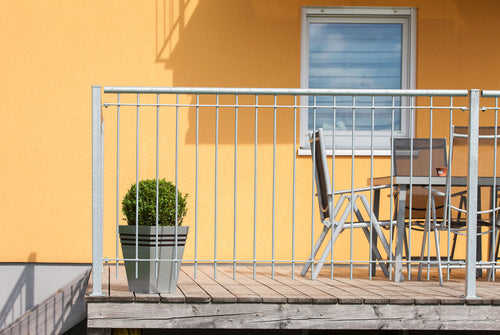
Classic screening made of solid structural elements is the pragmatic and often fastest method to ensure immediate privacy in the garden. Whether it is a simple wooden fence, a solid wall, or an elegant metal screen: these solutions create clear boundaries and a defined separation from the neighbouring property or the street. The variety of materials and designs is vast, ranging from traditional to ultra-modern, ensuring that a suitable element can be found for every garden style.
| Classic Screening | Advantages | Disadvantages |
|---|---|---|
| Wooden fence / privacy wall made of wood or WPC |
|
|
| Metal screening (metal, Corten steel) or gabions |
|
|
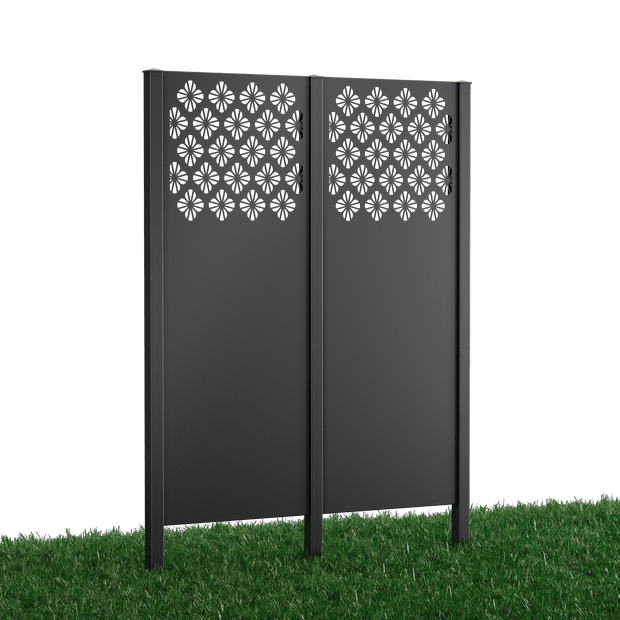

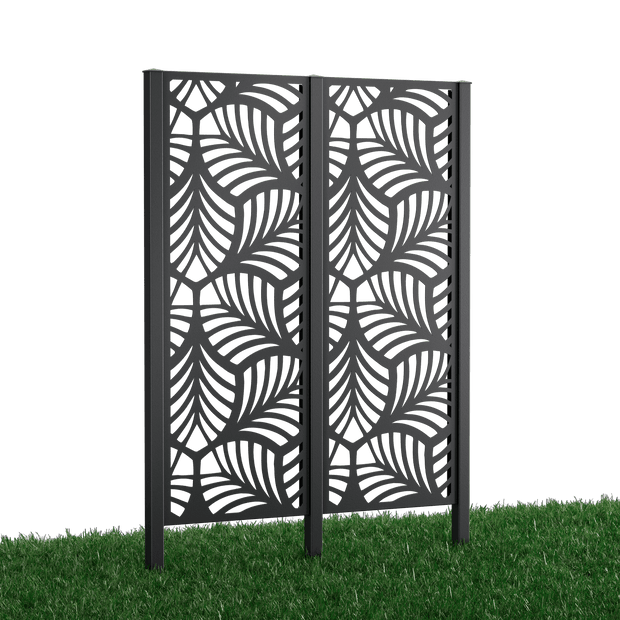

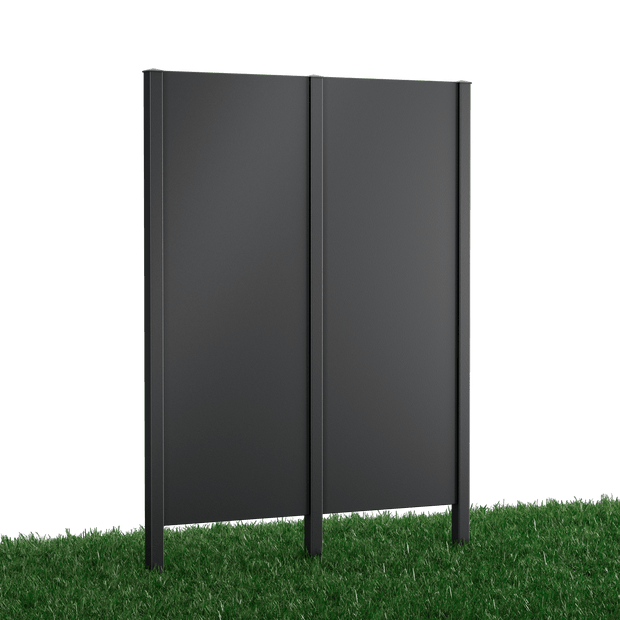
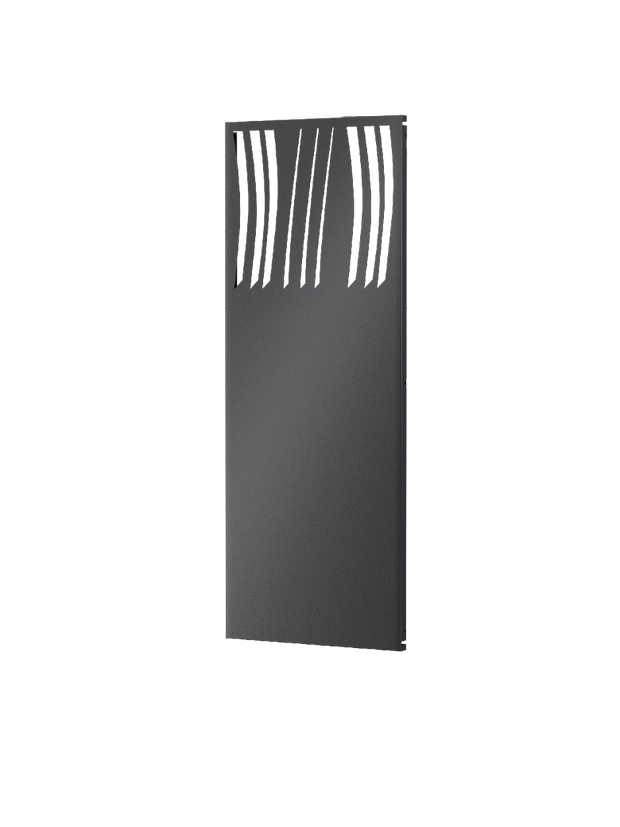
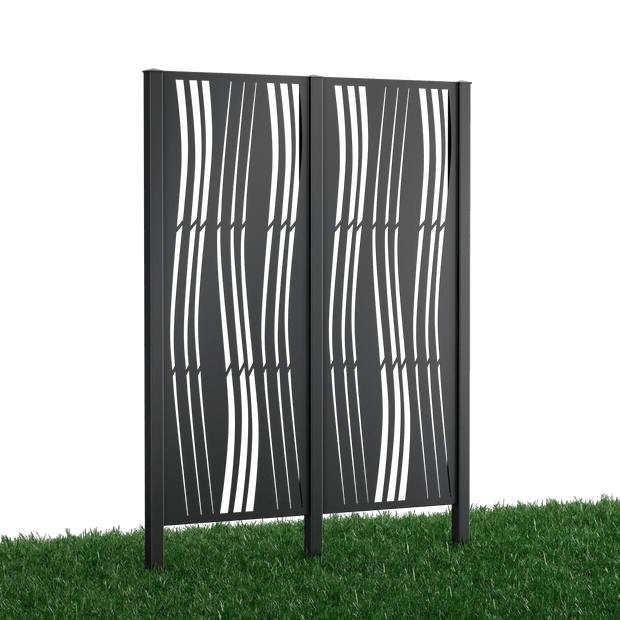

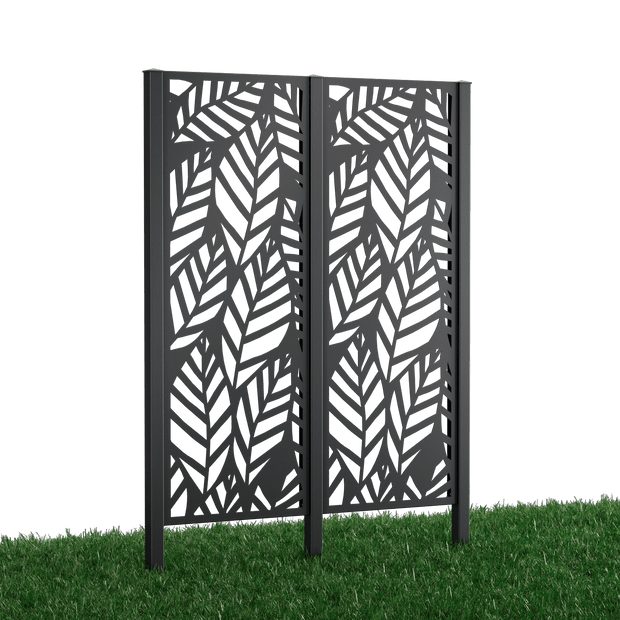
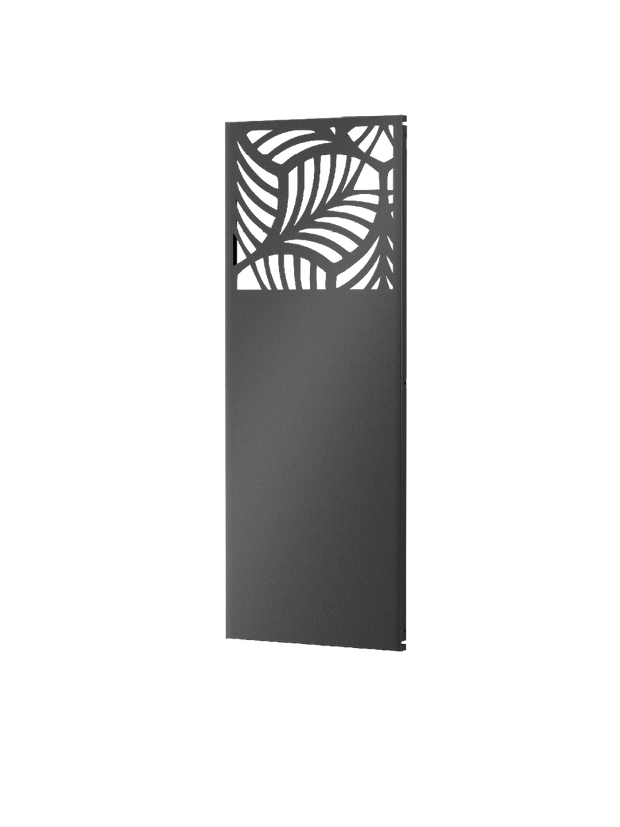
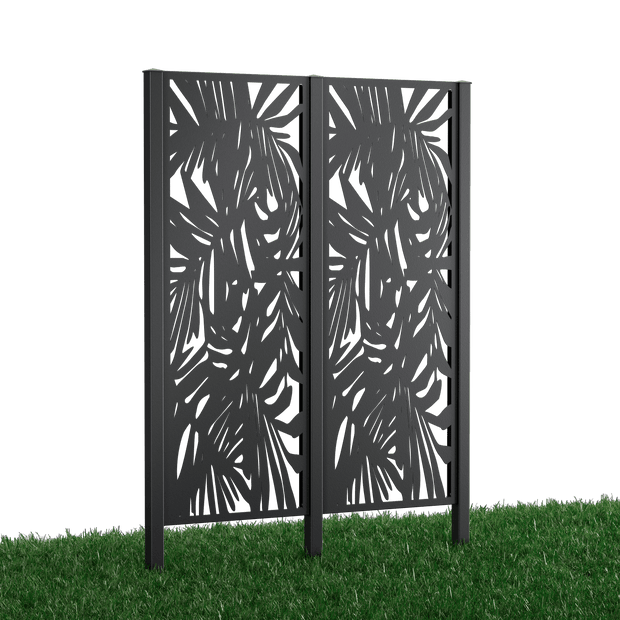

For garden owners whose priority is fast, reliable, and low-maintenance privacy, classic screening represents an excellent choice. It allows for precise planning and implementation without having to wait for plants to grow. On small plots in particular, the low space requirement is an invaluable advantage. However, those who strive for a vibrant, breathing garden that changes with the seasons and contributes to the ecological balance will appreciate the qualities of natural screening.
Natural Screening: Benefits and Limitations of Hedges, Shrubs, and Climbing Plants

A shady seating area in the garden, shielded from view and weather by a hedge. @ ELEO Express
Natural screening made of plants is a living element that fills the garden with structure, colour, and life. Hedges, flowering shrubs, or climbing plants create a dynamic backdrop that changes with the seasons and makes an invaluable ecological contribution. They filter dust from the air, dampen noise, and provide food and shelter for birds, insects, and small animals.
| Natural Screening | Strengths | Weaknesses |
|---|---|---|
| Evergreen & deciduous hedges |
|
|
| Climbing plants on supports |
|
|
Natural screening is the ideal choice for patient gardeners who want to create an organic, evolving garden boundary. It rewards the initial effort with incomparable vibrancy and a positive influence on local wildlife. However, patience and continuous maintenance are factors that must be considered when making the decision. Those who do not want to wait years for a dense hedge will find the optimal solution in the combination of both systems.
The Perfect Combination: Fixed Structures and Plants in Harmonious Interplay
Why choose either-or when the perfect solution lies in the combination? The clever connection of classic screening elements and natural greenery offsets the disadvantages of individual solutions and magnifies their respective strengths. You get the best of both worlds: the immediate and reliable privacy of a screen wall and the vibrant, ecologically valuable aesthetic of plants. A simple metal screen becomes the perfect support for a fragrant climbing rose, and a robust metal fence forms a harmonious background for a colourful perennial bed.
Advantages of the combined solution
- Immediate basic security: Fixed screening ensures the desired privacy from day one.
- Natural aesthetics: Planting softens hard edges and integrates the structure harmoniously into the garden.
- Maximum design freedom: Contrasts between materials (wood/stone/metal) and plant structures (leaves/blossoms) create visual interest.
- Increased biodiversity: Plants even in front of a wall provide habitat for insects and birds.
- Effective protection: The combination of fixed elements and dense planting offers excellent wind and noise protection.
- Structure and depth: Different levels make the garden look visually larger and more interesting.
Practical tips for a successful overall look
- Evergreen base: Use evergreen plants like ivy, cherry laurel, or yew to ensure seamless protection even in winter.
- Integrate climbing aids: Mount trellises or cable systems with some distance from the wall to ensure good air circulation.
- Play with heights: Stagger the planting in front of the fence. Tall grasses in the background, medium-height perennials and low ground cover in front.
- Develop colour concepts: Match the colour of the fence or screening wall to the flower and leaf colours of the plants.
- Create utility: Plant a raised bed with herbs or espalier fruit like apples and pears in front of the screen.
This symbiosis transforms pure privacy screening into a living design element. The fixed structure gives the garden stability and a frame, while the plants provide dynamism and seasonal change. This creates a multi-layered, personal space that perfectly combines functionality and nature.
Design Ideas for a Garden with Privacy and Natural Aesthetics

Raised beds with Corten steel screening in various heights from ELEO Garden @ ELEO
The creative possibilities for combining fixed and natural elements are almost limitless. Let yourself be inspired by these specific ideas to create your own unique garden sanctuary:
- The Modern Gallery: Combine smooth, Anthracite metal screening panels with delicate, tall ornamental grasses (e.g., Miscanthus). The movement of the grasses in the wind creates an exciting contrast to the static rigour of the metal. Individual, strategically placed climbing plants like Clematis can set targeted colourful accents.
- Rural Charm: A classic wooden fence or a dry stone wall forms the ideal backdrop for lush planting with hydrangeas, lavender, and flowering perennials. Evergreen boxwood spheres placed in between provide structure all year round.
- The Green Wall with a View: Use screening elements with integrated planters or laser-cut patterns. These can be greened with ivy or small climbing plants, while the cut-outs create interesting plays of light and shadow and direct the view purposefully.
- The Edible Boundary: A sturdy fence serves as the perfect support for blackberries, raspberries, or grapevines. Redcurrant or gooseberry bushes planted in front complement the natural screening and provide a rich harvest at the same time.
- The Gabion Garden: Wire baskets filled with stones (gabions) often appear very solid. Through targeted planting in the upper layers with drought-tolerant plants like houseleeks or Sedum species and greening with ivy, the stone wall becomes a vertical rock garden.
With these thoughtful combinations, privacy screening transforms from a "necessary evil" into a central design element that structures the garden and gives it a unique identity.
Are you looking for durable and stylish basic elements for your project? Browse our privacy models now and find the perfect foundation for your dream garden!
Frequently Asked Questions
How do I find out whether classic or natural screening suits my garden?
The ideal choice depends on four key factors: time, maintenance, budget, and aesthetics. Ask yourself: How quickly do I need effective protection? (Immediate -> Classic). How much time can and do I want to invest in maintenance? (Little -> Classic / Happy to -> Natural). How important is ecological diversity to me? (High -> Natural). Which style fits my house and garden? (Modern/Minimalist -> Classic; Rural/Romantic -> Natural). In most cases, the combined solution is the best compromise, as it joins the immediate privacy of a fence with the growing beauty of planting.
How much maintenance do hedges and other natural screening elements require?
Maintenance effort varies greatly depending on the plant species. A formal, high-maintenance hedge like privet or boxwood requires at least two trims per year (early summer and late summer) to stay dense and in shape. Free-growing flowering hedges often only need a thinning cut every few years. Climbing plants must be regularly secured to their support and pruned depending on their flowering behaviour. Generally, watering during dry periods and occasional fertilising are part of basic care to ensure healthy growth.
Can I add greenery to an existing privacy screen later?
Yes, this is an excellent and simple way to enhance an existing garden. Fences, walls, or even unattractive barriers can be ideally greened later. In the case of fences, climbing plants can grow directly through them or be guided up trellises. For solid walls, it is best to mount espaliers or cable systems with a few centimetres distance from the wall. This ensures air circulation and prevents moisture damage to the masonry. Choose plants that suit the location (sun/shade), and soon the bare surface will transform into a living green wall.
Conclusion: Why a Mix is Often the Most Beautiful Privacy Solution
The decision for the right privacy screening is an investment in the quality of life in your own garden. While fixed elements like a privacy wall or a modern metal screen provide reliable and immediate seclusion, natural screening made of hedges and plants brings vibrancy, ecological value, and an incomparable aesthetic. However, the most convincing and design-sophisticated solution usually lies in the artful combination of both approaches. A solid basic framework creates security and structure, while the supplementary planting ensures change and a harmonious embedding into nature.
Browse our privacy models now and discover the right model for your dream garden!


