
The essentials at a glance
- A thoughtfully designed privacy screen doesn't just create privacy, but also a sense of quality and a harmonious setting for the garden.
- The most beautiful results come about when planting, decoration and lighting are matched to the fence material in question.
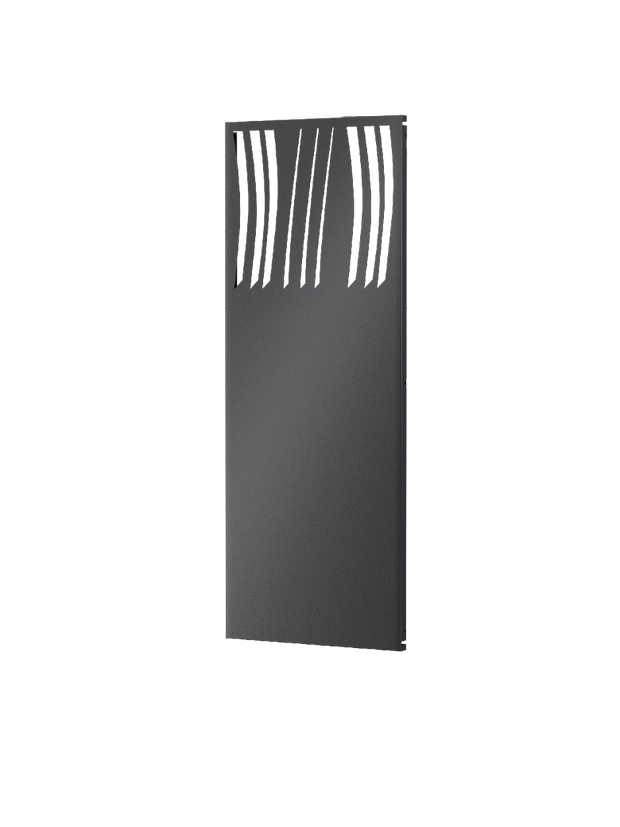
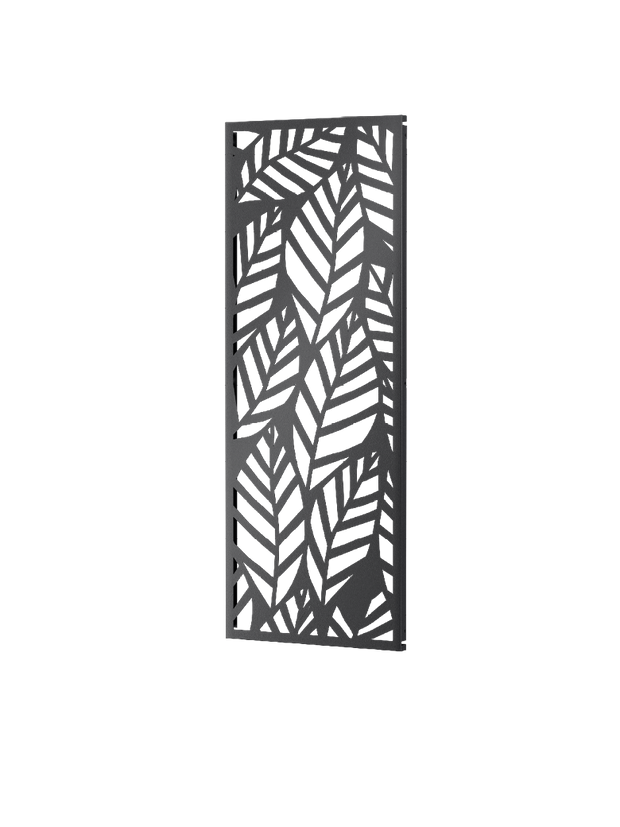
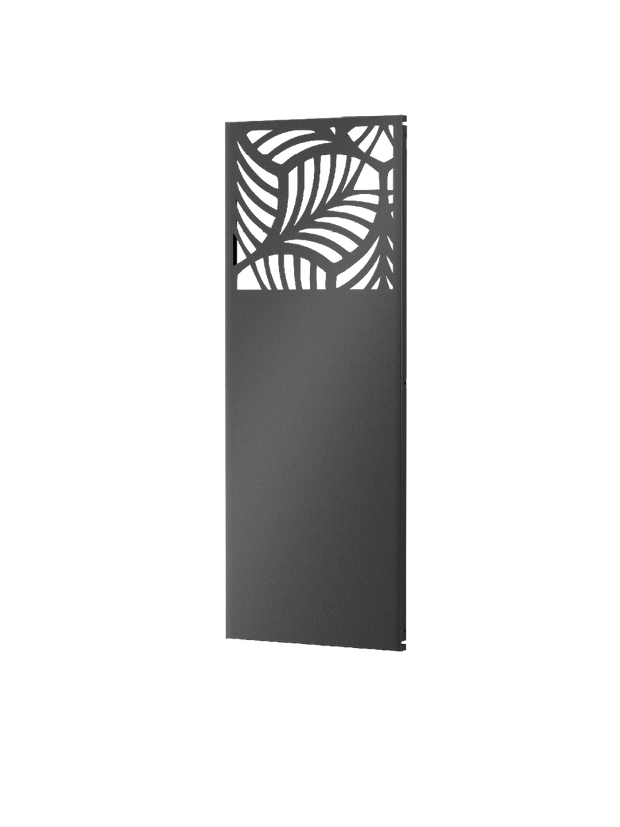
- A metal base, such as that offered by ELEO's panels, is particularly durable and forms a low-maintenance foundation for creative design ideas.
A privacy screen isn't just there to mark a boundary — it's one of the largest visible surfaces in the garden and shapes its character considerably. Anyone looking to smarten up their privacy fence turns a purely functional barrier into a deliberate design feature. It can frame flower beds, give the patio a homely backdrop and lend structure to the whole outdoor space. The aim is a harmonious interplay of function and aesthetics. With a well-thought-out mix of planted privacy screening, decorative details, targeted lighting and a durable material, the fence becomes a stylish eye-catcher all year round.
Why is it worth smartening up your privacy screen?
A well-considered privacy screen is an investment in the quality of life in your own garden. It affects how spacious an area feels, how sheltered a seating spot seems, and how coherent the overall picture is. In garden design, the fence is the canvas on which the garden's atmosphere is created. Actively shaping it brings decisive benefits:
- Visual enhancement: Carefully chosen plants, colours or lighting accents turn a monotonous surface into a dynamic backdrop that highlights the beauty of the planting.
- Year-round appeal: A combination of evergreen plants, weatherproof decoration and subtle lighting ensures the privacy screen radiates structure and elegance even in autumn and winter.
- Reduced maintenance: Coordinating material, fixing methods and planting from the outset prevents problems such as warping wood, rust spots or unstable fixtures, saving time and effort in the long run.
- Increased perceived value: A professional-looking design in which all elements work together elevates the overall impression of house and garden, creating a sense that everything belongs together.
The key is to see shaping the privacy screen not as an isolated task, but as an integral part of garden planning. Which areas should feel calm? Where is a green accent needed? Which corner should be atmospherically lit in the evening?
 The Roya privacy screen kit provides extra privacy in your garden
Planting a privacy screen – green ideas for every material
Plants are the most effective way to make a privacy screen feel lively and natural. There are essentially two approaches: vertical greening with climbing plants, or a modular set-up using planters. Both methods achieve a high-quality look, provided they're matched to the fence material and structural conditions. The more greenery grows directly on the fence, the greater the effects of moisture and wind — so a stable, weather-resistant base is essential.
Climbing plants on the privacy screen
Climbing plants are the classic solution for a planted privacy screen. They create a calm, even covering of greenery and let the fence blend in organically over time. Three aspects matter for a successful result:
- Suitable climbing supports: Sturdy wires, cable systems or trellises are essential. They distribute the plants' weight evenly, protect the fence material and give the shoots something to hold onto.
- Consider growth habits: Fast-growing species such as Virginia creeper or hops give quick results but need regular pruning. Flowering climbers like clematis or climbing roses provide seasonal highlights. Evergreen ivy offers year-round screening.
- Plant spacing and care: A rhythmic arrangement of plants creates a harmonious look. An annual trim prevents the plants from overwhelming the fence or spreading onto neighbouring properties.
Planters and window boxes on the fence
Where direct planting isn't possible or desired, modular solutions offer great flexibility. Planters, hanging baskets or narrow troughs placed in front of the fence make it possible to shape the garden's privacy screen without affecting the fence surface itself. Tips for a coherent look:
- Series and repetition: Using identical planters in a row looks considered and elegant, creating visual calm.
- Coordinated colour scheme: Limiting yourself to two or three flower colours combined with various shades of green looks more harmonious than a colourful mix.
- Weight and watering: Heavy, waterlogged planters need secure fixing. With sensitive materials such as wood, make sure watering runoff doesn't drip down the surface.
This approach also allows for easy seasonal changes: tulips and daffodils in spring, lush geraniums in summer, delicate grasses in autumn and structural dwarf shrubs in winter.
 The uncoated Tanaro metal privacy screen, set harmoniously among hydrangeas and a garden bonsai
Which method suits which material?
The longevity of the greenery depends heavily on its compatibility with the fence material. This overview helps in making the right choice:
| Fence material | Recommended greening method | What to watch out for |
|---|---|---|
| Wood | Mount climbing support with a gap, place planters in front | Ensure ventilation behind to prevent rot from waterlogging. Apply protective treatment regularly. |
| WPC/plastic | Light climbing plants, mainly ground-level planters | Avoid localised overload from heavy planters. Use UV-resistant fixings. |
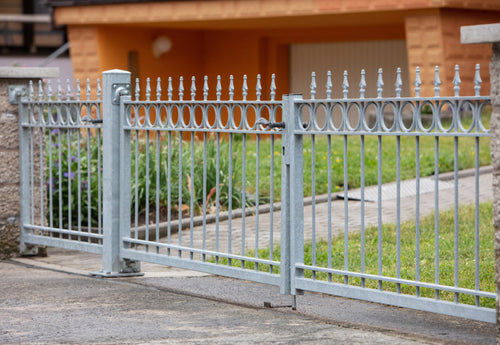
| Metal (coated) | Ideal for trellises, cable systems, hanging planters and modular elements | High-quality corrosion protection (e.g. hot-dip galvanising & powder coating) is essential. |
| Stone/gabion | Planting strip in front, tall grasses or specimen shrubs | Consider root pressure on the foundation. Soften the solid look with delicate plants. |