
At a Glance
- Professional hedge trimming is crucial for the health and appearance of the plants and is subject to legal periods.
- The choice of the right tool determines the quality of the cut and safety.
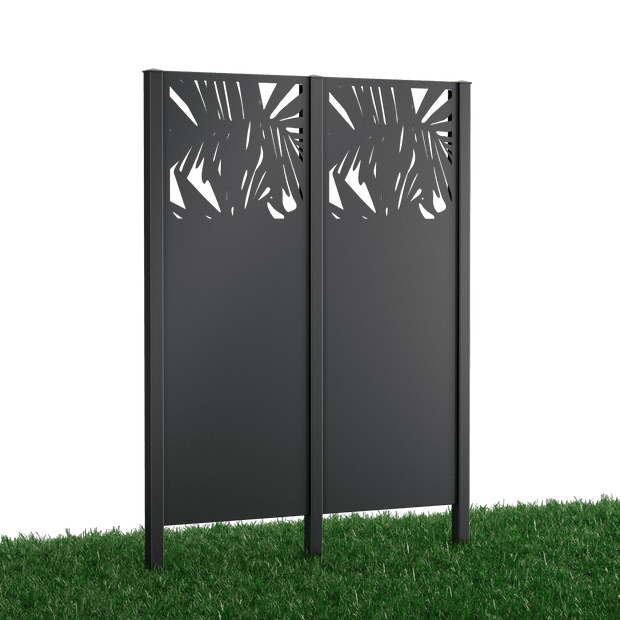
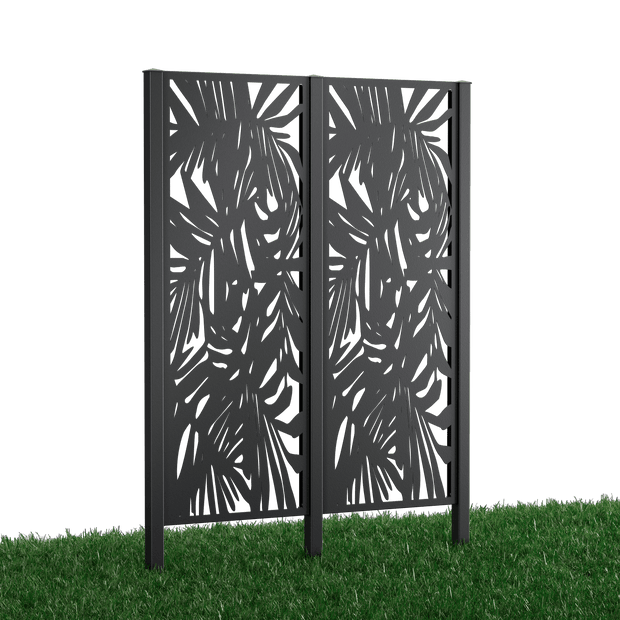
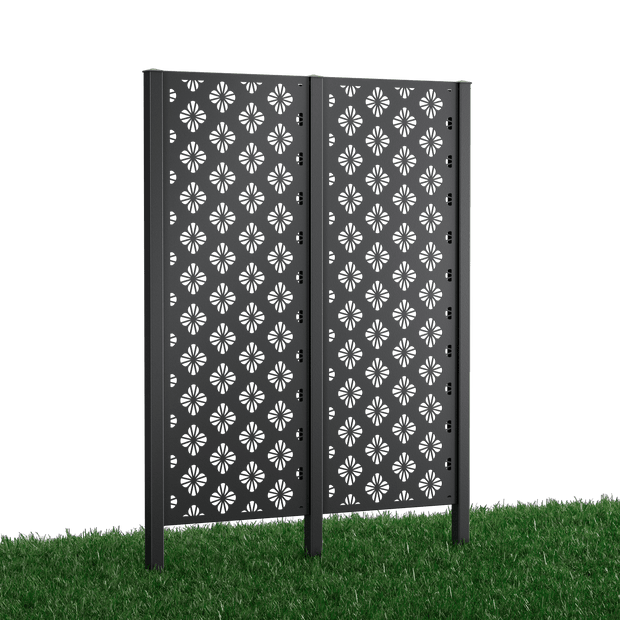
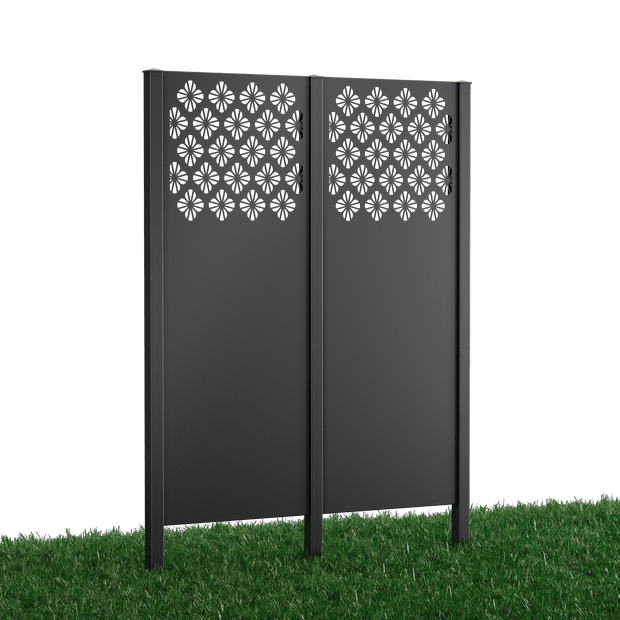
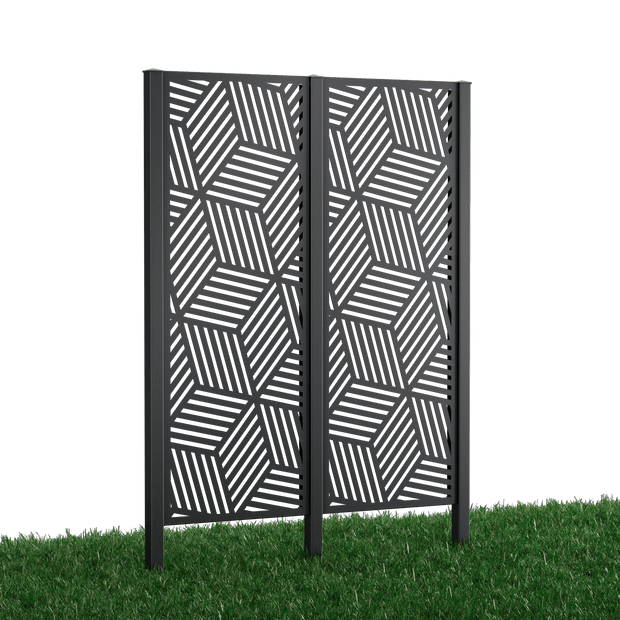
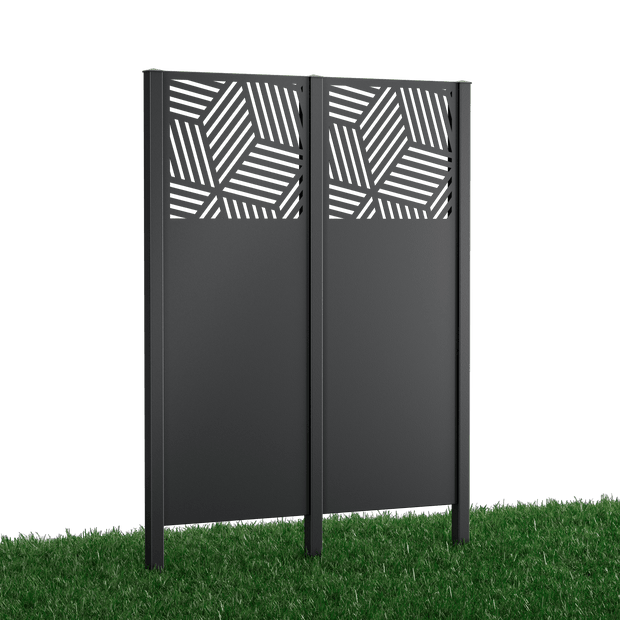
- For permanent privacy without recurring maintenance effort, durable metal privacy elements from ELEO Express are an ideal solution.
Precise hedge trimming requires knowledge of the right timing, the appropriate tools, and the correct technique. Furthermore, the law sets clear rules to protect local wildlife. This guide provides sound practical knowledge for trimming a hedge professionally and in compliance with regulations. It also highlights the effort involved and presents a permanent alternative with low-maintenance metal privacy elements from ELEO Express for those who prefer a consistent aesthetic without regular gardening work.
The Right Time: When a Hedge May Be Trimmed
Choosing the optimal time is crucial for the success of your hedge trimming. Wrong timing can not only impair the growth of the plants but can also lead to fines. The most important factors are legal regulations and the growth cycle of the plants.
Ideal Trimming Times Throughout the Year
Aside from legal deadlines, two main time windows have proven effective for hedge trimming:
- Winter Pruning (Late February): Just before the new growth starts in spring is the ideal time for heavy pruning. The plants are in their dormant phase, which makes the cut particularly tolerable. Furthermore, the bare branches provide a clear view of the hedge structure, facilitating a precise shape.
- Summer Trim (Late June): Most hedge plants experience their second growth spurt around late June. A light shape-up at this time brings the hedge back into form and encourages further branching, resulting in a particularly dense structure.
| Type of Cut | Recommended Period | Legal Requirement |
|---|---|---|
| Heavy pruning / Rejuvenation cut | 1st October – 28th February | Only permitted outside the protection period. |
| Light shaping & maintenance trim | Possible year-round | During protection periods, only after checking for nests. |
As a rule of thumb: one main cut in late winter and one corrective trim in summer keep most hedges healthy and well-shaped. Weather conditions should also be considered: a cloudy, dry day without intense sun or frost is ideal, as this allows the cuts to heal best.

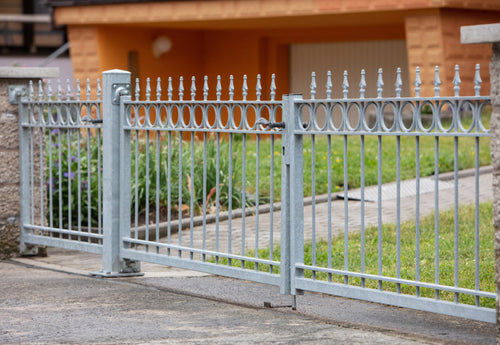
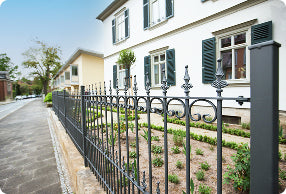
ELEO Bologna fence in front of a well-maintained hedge – available in custom dimensions from ELEO Fence.
Tools for Hedge Trimming – What You Really Need
The quality of the tool has a direct influence on the result and the health of the plants. Blunt blades crush the shoots instead of severing them cleanly. This leads to an unsightly appearance and makes the hedge more susceptible to diseases and pests.
Manual Tools for Precision
For smaller hedges or detailed topiary, manual tools are often the best choice. They allow for high levels of control.
- Hand Hedge Shears: The classic for precise contours and smaller areas. Models with serrated edges hold the branches better, while geared mechanisms reduce the effort required.
- Loppers (Bypass Shears): Essential for thicker branches that hedge shears cannot cut. Two blades slide past each other to create a clean, plant-friendly cut.
- Pruning Saw: A folding pruning saw is used for very old and thick branches inside the hedge.
Power Hedge Trimmers for Efficiency
For large hedge areas, a motorised hedge trimmer saves considerable time and effort. The choice of power source depends on the garden size and personal preference.
- Electric Hedge Trimmer: Lightweight, powerful, and ideal for hedges near a power socket. However, the cable can become a nuisance.
- Cordless (Battery) Hedge Trimmer: Offers maximum flexibility without cables. Modern lithium-ion batteries provide impressive power and runtime. They are quieter and produce fewer emissions than petrol models.
- Petrol Hedge Trimmer: The most powerful variant for very large, woody hedges. However, they are louder, heavier, and require more maintenance.
Step-by-Step Guide – How to Trim a Hedge Correctly
A systematic approach ensures an even result and increases work safety.
- Preparation and Safety: Before starting work, clear the area around the hedge of obstacles. Placing a tarpaulin under the hedge makes it easier to collect the clippings later. Wearing sturdy footwear, work gloves, and safety goggles is essential.
- Correct Cutting Order – From Top to Bottom: Start trimming the side surfaces of the hedge, working from the bottom upwards. Finally, trim the top edge (crown). This order prevents cut twigs from falling into areas you have already finished.
- Trapezoid Shape for Healthy Growth: A hedge should never be trimmed perfectly vertically. A slight trapezoid shape – wider at the bottom than at the top – is ideal. This ensures that the lower branches also receive enough sunlight, preventing them from thinning out and ensuring dense growth from the ground up.
- Guides for Straight Lines: For long hedges, taut string lines help to maintain an exact height and straight alignment. The string serves as a visual guide during the trimming process.
- Steady Movements: Guide the hedge trimmer in calm, sweeping, sickle-shaped movements. This ensures a smooth surface without holes or dents.
- Removing Thick Branches: Thicker branches that exceed the cutting capacity of the device should be removed specifically with loppers or a saw.
- Check from a Distance: Take regular breaks to view the result from a few metres away to assess the overall shape and make any necessary corrections.
Shaping, Maintenance, and Rejuvenation – The Differences
Different trimming techniques are distinguished depending on the goal, which also influences the timing of the cut.
- Shaping (Topiary): This is purely for aesthetics and keeps the hedge in its desired geometric form. it is limited to new growth and is carried out once or twice a year, typically in June.
- Maintenance Trim: The focus here is on the health of the plant. Dead, diseased, or crossing branches are removed from the interior of the hedge. This promotes air circulation and prevents disease. A light maintenance trim is possible year-round.
- Rejuvenation (Hard Pruning): A heavily neglected, thin hedge can be saved by a radical cutback. The main shoots are significantly shortened to encourage a complete rebuild from the base. This intervention is generally only permitted in winter (October to February).

A perfectly shaped hedge provides an elegant focal point for any home.
Aftercare: What the Hedge Needs Now
After the exertion of trimming, the hedge needs support to regenerate and continue growing vigorously.
- Remove Clippings: All cut material should be carefully removed from the hedge and the ground to prevent the spread of fungal diseases.
- Watering: Particularly after a summer trim during dry weather, deep watering is important. It helps the plant cope with the stress and produce new shoots.
- Fertilising: An application of compost or organic fertilisers in spring provides the hedge with the necessary nutrients for strong growth. After a summer trim, fertilisation is usually no longer required, so as not to jeopardise winter hardiness.
- Mulching: A layer of bark mulch or grass clippings on the ground under the hedge keeps moisture in the soil, suppresses weeds, and improves soil structure.
Tip: Low-Maintenance Privacy Screens as an Alternative to Hedges
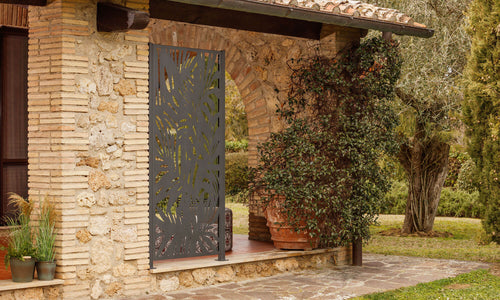
Regular hedge trimming is a recurring task that requires time, effort, and the right equipment. For garden owners seeking a permanently aesthetic and maintenance-free solution for their privacy, modern privacy elements represent a worthwhile alternative. In particular, durable systems made of powder-coated metal, such as those offered by ELEO Express, combine functionality with sophisticated design.