
At a Glance
- The choice of material significantly determines the appearance, maintenance requirements, and lifespan of a privacy screen and should complement the style of the garden.
- Natural materials like wood require regular maintenance, while WPC represents a low-maintenance alternative with a timber-look finish.
- For maximum longevity, stability, and minimal upkeep, metal and Corten steel screens are the ideal choice, in which ELEO Express specialises.
A privacy screen creates seclusion, structures the garden, and provides protection from wind and weather. However, the crucial decision regarding longevity, maintenance, and aesthetics is made right at the start when selecting the material. A privacy screen is permanently exposed to the elements: UV radiation, rain, frost, and mechanical stress from wind act upon it day after day. While design is often the primary focus, the true strengths and weaknesses of a material only reveal themselves after several years. Greying of wood, warping, algae growth, or rust are typical signs of ageing that can be minimised through a conscious choice of material. This article objectively compares the four most common materials – wood, WPC, metal, and Corten steel – based on their properties to provide a sound basis for decision-making.
Wooden Privacy Screens – The Natural Classic with Maintenance Requirements

Wood is the epitome of a natural garden feel. Its warm, organic appearance blends harmoniously into almost any environment, from rustic cottage gardens to modern green spaces.
The variety of wood species allows for a broad design range. Native timbers such as pressure-treated pine, larch, or Douglas fir are popular. They differ in their natural durability: while larch and Douglas fir are naturally more weather-resistant, pine requires impregnation to protect against rot. Longer-lasting but more expensive alternatives include hardwoods like oak or tropical timbers.
The characteristic feature of wood in outdoor areas is how it changes. Under the influence of UV radiation, untreated wood develops a silvery-grey patina over time. This process is purely aesthetic and is appreciated by many. However, those wishing to preserve the original colour tone cannot avoid regular maintenance. Depending on the wood species and weather exposure, a wooden privacy screen must be cleaned and treated with oil or stain every one to three years. Without this protection, moisture can lead to cracks, warping, or in the worst case, fungal infestation. Wood "breathes" – it expands when damp and contracts when dry, which can affect stability and opacity over the years.
WPC Privacy Screens – The Low-Maintenance Wood Alternative

Tip: Solid WPC elements are significantly more stable and durable, but also more expensive and heavier than hollow-chamber profiles, which can reach their limits under heavy wind loads.
WPC (Wood-Plastic Composite) is a composite material that combines wood fibres or flour with plastics (usually polypropylene or polyethylene) and additives. The aim: to combine the warm look of wood with the low maintenance and weather resistance of plastic. A WPC privacy screen does not need to be painted or oiled and is resistant to rot and insect infestation. This makes it a pragmatic choice for anyone who wants a wood-like appearance without the recurring maintenance effort.
Nevertheless, WPC is not entirely maintenance-free. Surfaces can get dirty and require regular cleaning to remove green film or stains. Depending on the quality and UV stabilisation, the colour may lighten slightly in the first few months, known as "initial weathering". During construction, it must be noted that WPC expands with temperature fluctuations. Professional installation with expansion joints is therefore essential. Furthermore, a distinction is made between hollow-chamber and solid profiles.
Metal Privacy Screens – Modern, Stable, and Extremely Durable

A metal privacy screen stands for a clean, modern aesthetic, high stability, and maximum longevity.
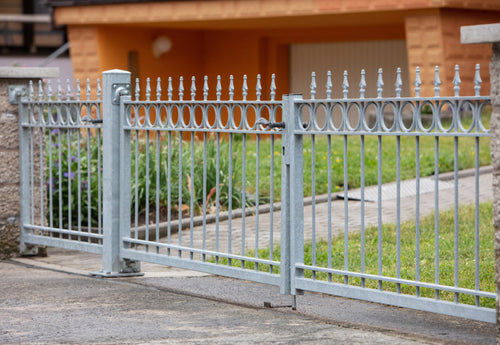
Materials such as hot-dip galvanised and powder-coated steel or aluminium are predestined for outdoor use. The decisive advantage lies in their dimensional stability: metal does not warp, does not crack, and retains its exact shape and opacity for decades. This makes it the ideal solution for windy locations or when a precise, linear look is desired.
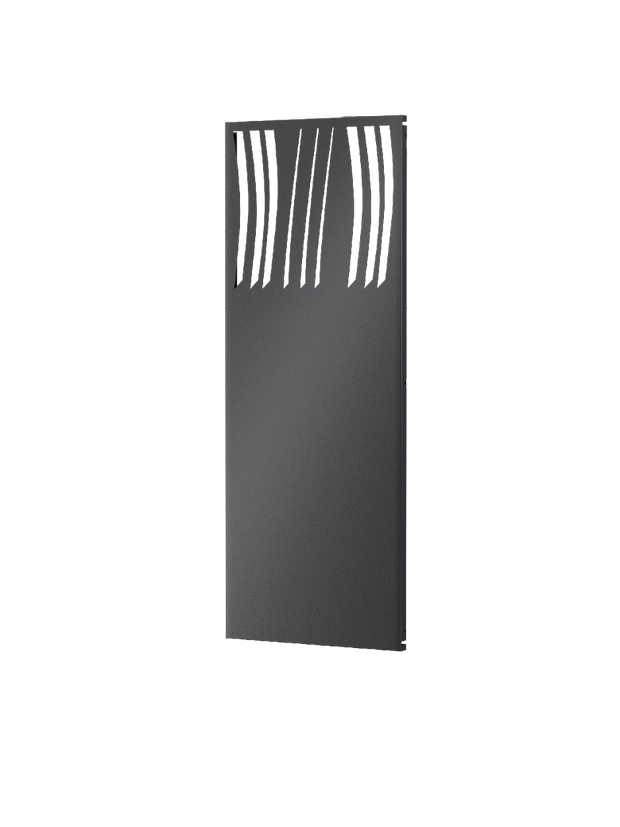
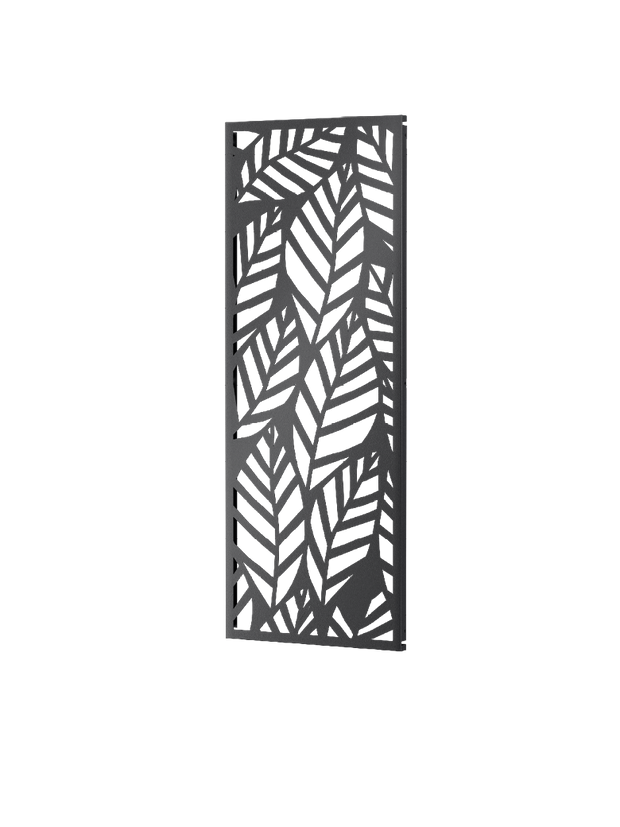
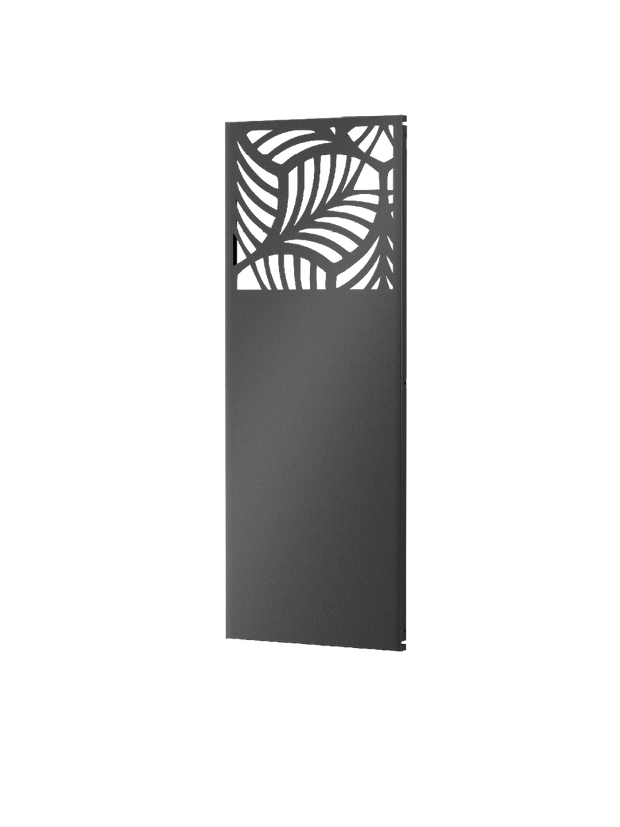
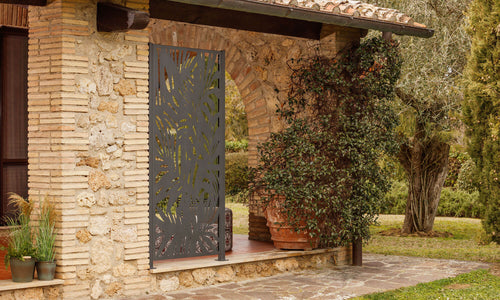
Maintenance effort is minimal. A high-quality powder coating, where colour pigments are electrostatically applied and baked on, creates an extremely resistant, smooth surface. Dirt can hardly adhere and is easily removed with water and a mild cleaner. The tedious task of sanding, painting, or oiling is completely eliminated. In terms of design, metal offers enormous freedom: from solid, calm surfaces in anthracite or other RAL colours to delicate elements with laser-cut patterns that create exciting interplays of light and shadow. A metal privacy screen acts as a calm backdrop for plants or as a strong architectural statement that continues the lines of a building into the garden.
Our Metal Privacy Screens